
Modern vs Traditional Flooring Styles What Works Best for Your Home

Choosing between modern and traditional flooring styles is one of the most common decisions homeowners face when designing a space. Each approach offers a distinct look and feel, and the right choice depends on how you want your home to function and be perceived over time. Understanding the differences between these styles helps you make a decision that aligns with both your personal preferences and the overall design of your home.


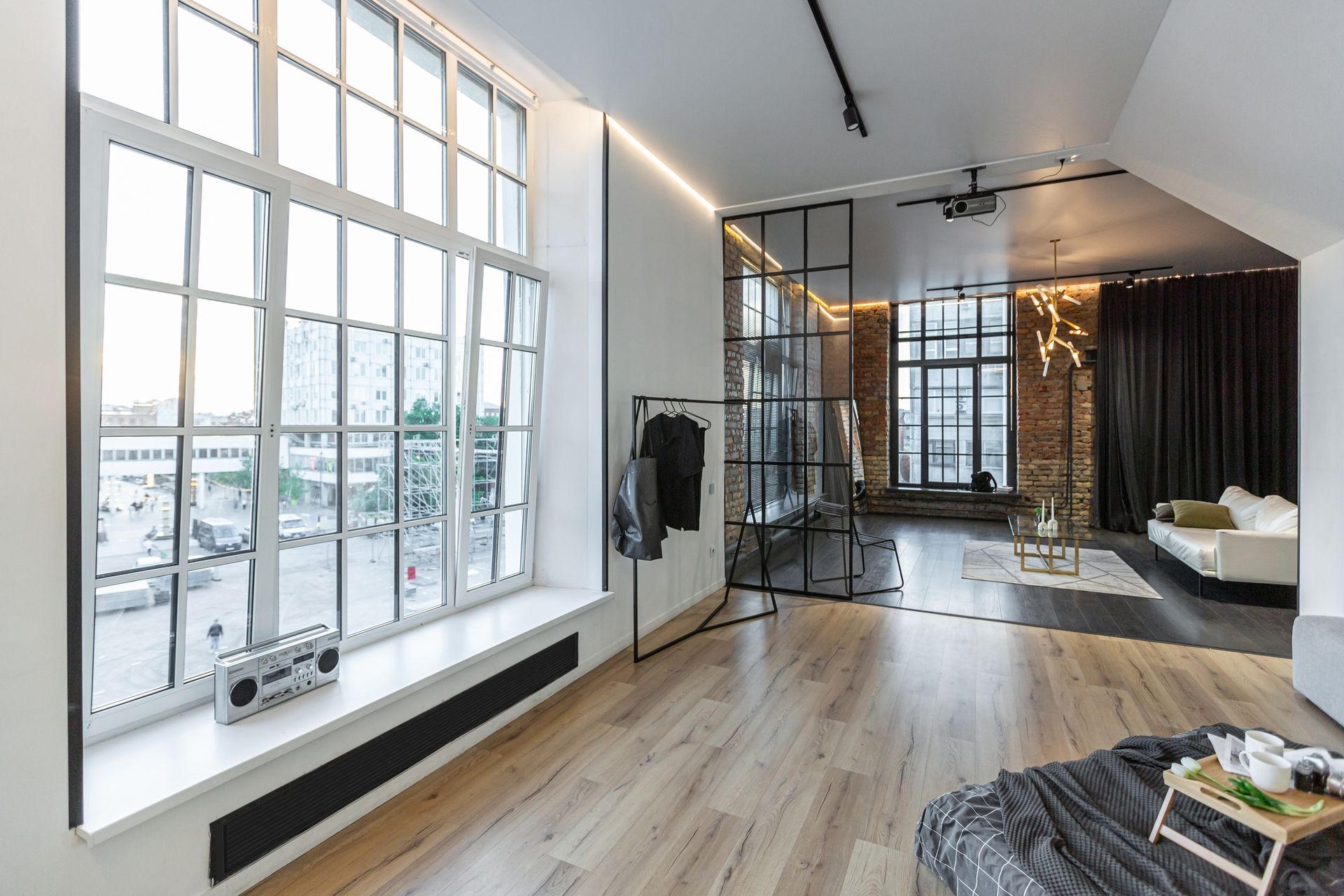
Modern flooring styles are often defined by simplicity and consistency. Clean lines, subtle textures, and more uniform color tones create a look that feels open and uncluttered. This approach works well in homes that emphasize minimalism or contemporary design, where the goal is to create a space that feels streamlined and intentional. Modern flooring often acts as a neutral foundation, allowing other elements such as furniture and lighting to stand out.


Traditional flooring styles take a different approach, focusing on warmth, character, and detail. Richer tones, natural variation, and more textured finishes create a sense of depth that adds personality to a space. This style works well in homes that lean toward classic design, where the goal is to create a comfortable and inviting environment. Traditional flooring often becomes a focal point, contributing to the overall character of the home.


One of the key differences between these styles is how they interact with other design elements. Modern flooring tends to blend seamlessly with the surrounding space, creating a cohesive and understated look. Traditional flooring, on the other hand, adds contrast and visual interest, helping define the space in a more noticeable way. Understanding how each style fits into your overall design helps guide the decision.


Durability and maintenance can also vary depending on the materials used within each style. While both modern and traditional options can offer strong performance, the specific material and finish will influence how the flooring holds up over time. Choosing a style that aligns with your lifestyle ensures that the flooring continues to perform as expected.


Lighting plays an important role in how each style is perceived. Modern flooring often reflects light in a way that enhances the openness of a space, while traditional flooring can absorb light and create a more intimate atmosphere. Considering how your home is lit throughout the day helps determine which style will feel most natural in your space.


Another factor to consider is long term flexibility. Modern flooring tends to provide more versatility when it comes to updating furniture and decor, as it acts as a neutral base. Traditional flooring may require more thoughtful coordination with other elements to maintain a cohesive look. Both approaches have their advantages, depending on how you plan to evolve your space over time.


Many homeowners find that a blend of modern and traditional elements creates the best result. This approach allows you to combine the simplicity of modern design with the warmth of traditional materials, creating a space that feels both current and comfortable. Working with a showroom like Houston Grey helps you explore these combinations and see how they come together in a real environment.


Choosing between modern and traditional flooring is not about finding a single correct answer. It is about understanding how each style contributes to the overall feel of your home and selecting the option that aligns with your vision. With the right guidance, you can create a space that feels both intentional and timeless.
March 24, 2026
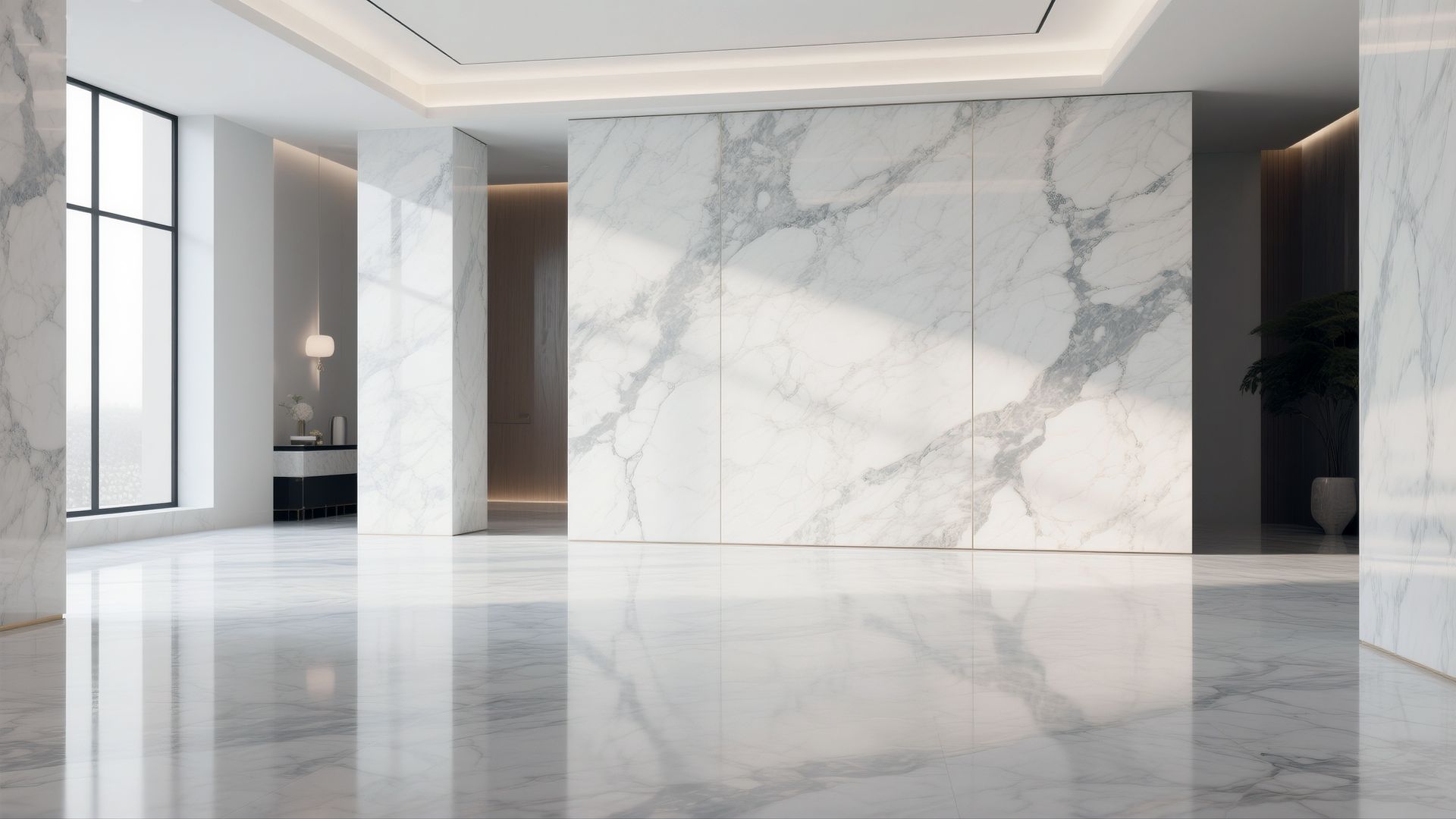
Bedrooms and living spaces require a different approach to flooring compared to more functional areas like kitchens and entryways. These spaces are focused on comfort, design, and creating an environment that feels inviting. Choosing the right flooring helps support these goals while still maintaining long term performance. Comfort is one of the most important factors in these areas. Flooring should create a surface that feels good underfoot and contributes to the overall atmosphere of the space. This is particularly important in bedrooms, where the goal is to create a relaxing environment. Design plays a significant role as well. Flooring in living spaces often serves as a backdrop for furniture and decor, making it important to choose a material that complements these elements. Neutral tones can provide flexibility, while more distinct options can add character to the space. Durability is still a consideration, even in these areas. While they may not experience the same level of traffic as kitchens or entryways, they still need to maintain their appearance over time. Choosing a material that balances comfort with performance helps ensure that the space remains functional. Acoustics can also be influenced by flooring choices. Softer materials can help reduce noise and create a more comfortable environment, particularly in larger living spaces. This contributes to the overall feel of the home. Lighting plays a role in how flooring appears in these areas. Natural light, combined with interior lighting, can change the way colors and textures are perceived. Choosing flooring that looks consistent in different conditions helps create a stable design.  Houston Grey provides a showroom experience where you can explore flooring options for bedrooms and living spaces, helping you find a balance between comfort, design, and performance. By considering these factors together, you can create spaces that feel both inviting and well designed.
March 24, 2026
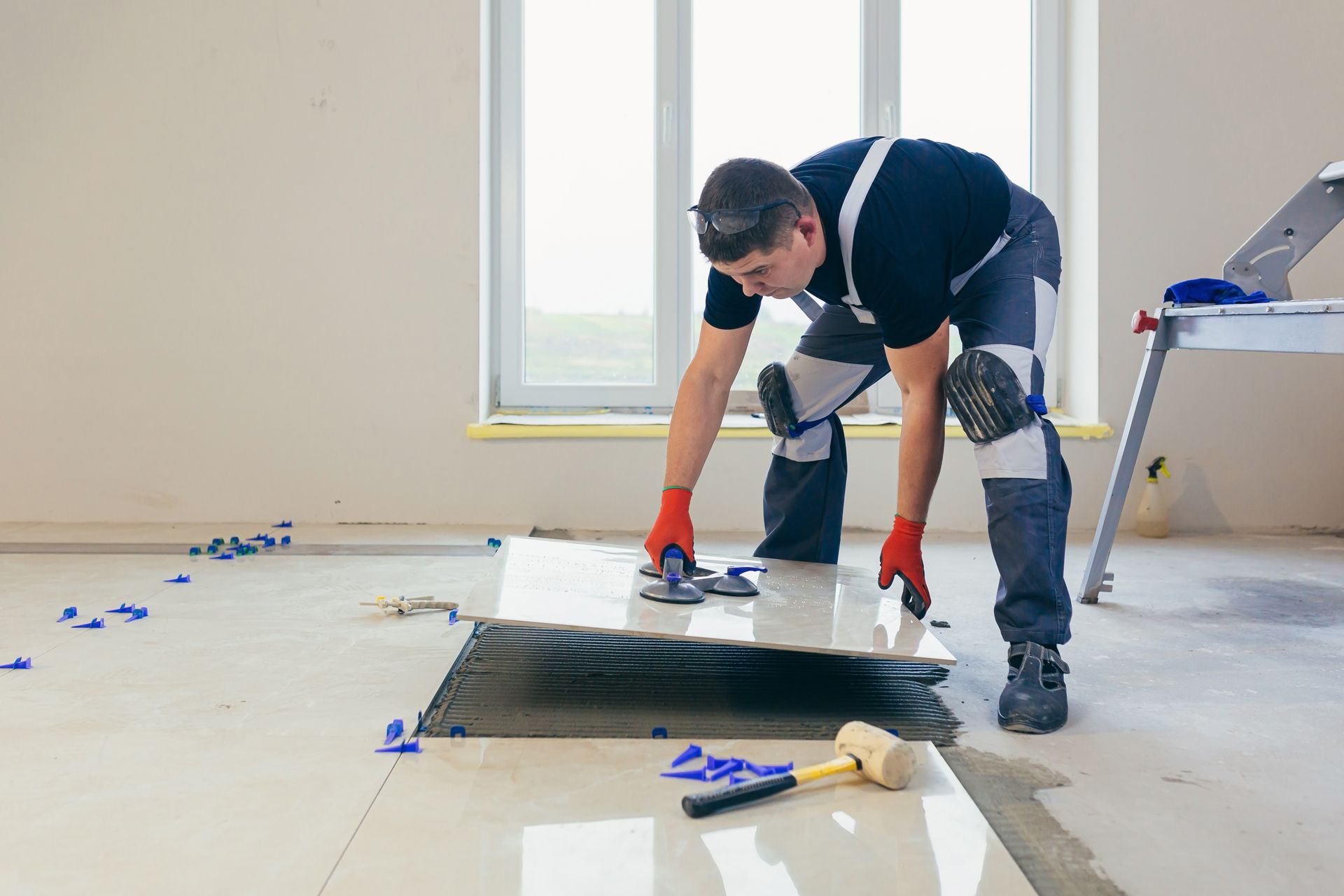
High traffic areas require flooring that can handle constant use without compromising appearance or performance. These spaces include entryways, hallways, kitchens, and living areas where daily activity is concentrated. Choosing the right flooring for these areas ensures that your home remains functional and visually appealing over time. Durability is the most important factor in high traffic areas. Flooring needs to withstand frequent movement, potential impacts, and general wear without showing significant signs of damage. Materials that are designed for resilience help maintain a consistent appearance and reduce the need for repairs. Maintenance is another key consideration. High traffic areas are more likely to accumulate dirt and debris, making it important to choose flooring that is easy to clean. This helps keep the space looking its best with minimal effort. Design should also be considered, as high traffic areas often serve as focal points in the home. Flooring that complements the overall design helps create a cohesive look while still meeting performance requirements. Balancing durability with aesthetics ensures that the space feels both functional and well designed. Texture can play a role in how flooring performs in these areas. Certain finishes can help mask wear and maintain a consistent appearance over time. This is particularly useful in spaces that experience heavy use. Lighting and layout also influence how flooring appears in high traffic areas. Choosing materials that work well with the lighting conditions helps maintain a consistent look throughout the day. Considering how the space is used and how it connects to other areas helps guide the decision.  Houston Grey provides the expertise needed to select flooring that performs well in high traffic areas while supporting the overall design of your home. By focusing on durability, maintenance, and design, you can create spaces that hold up over time without sacrificing style.
March 24, 2026
Bathroom design requires a balance between style and performance, and tile is one of the most important elements in achieving that balance. The environment in a bathroom presents unique challenges, including moisture, temperature changes, and frequent use. Choosing the right tile ensures that the space not only looks good but also performs well over time. One of the most important factors in selecting bathroom tile is moisture resistance. Bathrooms are exposed to constant humidity and direct contact with water, making it essential to choose materials that can handle these conditions. Tile is a strong option because it provides a durable and water resistant surface that maintains its integrity over time. Durability is another key consideration. Bathroom tile needs to withstand daily use without showing signs of wear. This includes resistance to scratches, stains, and general wear from foot traffic. Choosing a tile that maintains its appearance helps ensure that the space continues to feel clean and well maintained. Slip resistance is also an important factor, particularly for flooring. Bathrooms can become slippery when wet, and selecting a tile that provides traction helps create a safer environment. This is especially important in households with children or older adults. Design plays a significant role in bathroom tile selection. The size, color, and layout of the tile all contribute to the overall look of the space. Larger tiles can create a more seamless appearance, while smaller tiles can add detail and texture. The choice depends on the style you want to achieve and how the tile interacts with other elements in the bathroom. Grout selection is another factor that impacts both performance and appearance. The right grout can enhance the look of the tile while also providing durability and resistance to moisture. Choosing a grout that complements the tile helps create a cohesive design. Installation quality is critical when working with bathroom tile. Proper installation ensures that the tile performs as expected and reduces the risk of issues over time. This includes preparing the surface correctly and ensuring that all components are installed with precision. Maintenance is also an important consideration. While tile is generally easy to maintain, understanding how to care for it helps preserve its appearance. Choosing materials that align with your maintenance preferences ensures that the space remains functional and attractive.  Houston Grey offers a showroom experience that allows you to explore bathroom tile options and see how they perform in a real setting. By considering both design and performance, you can choose a tile that supports long term use while enhancing the overall look of your bathroom.
More Posts