
If you’ve ever walked into a room and felt like something was off but couldn’t quite figure out what it was, there’s a good chance it had to do with proportions. When it comes to flooring, especially tile, size plays a big role in how a space looks and feels. At Houston Grey, we help homeowners and builders across Middle Tennessee and Southern Kentucky make decisions that elevate their interiors, and tile sizing is one of those key details that makes a big difference.
Tile isn’t just about color or pattern. The size of each piece changes how your space reads visually. A tile that’s too small can make a room feel busy or cluttered. One that’s too large might overwhelm a compact space. It’s about finding that sweet spot where the tile works with the room instead of against it.
Here’s a breakdown of how to think about tile sizing when designing different areas of your home.
Open Concept Spaces
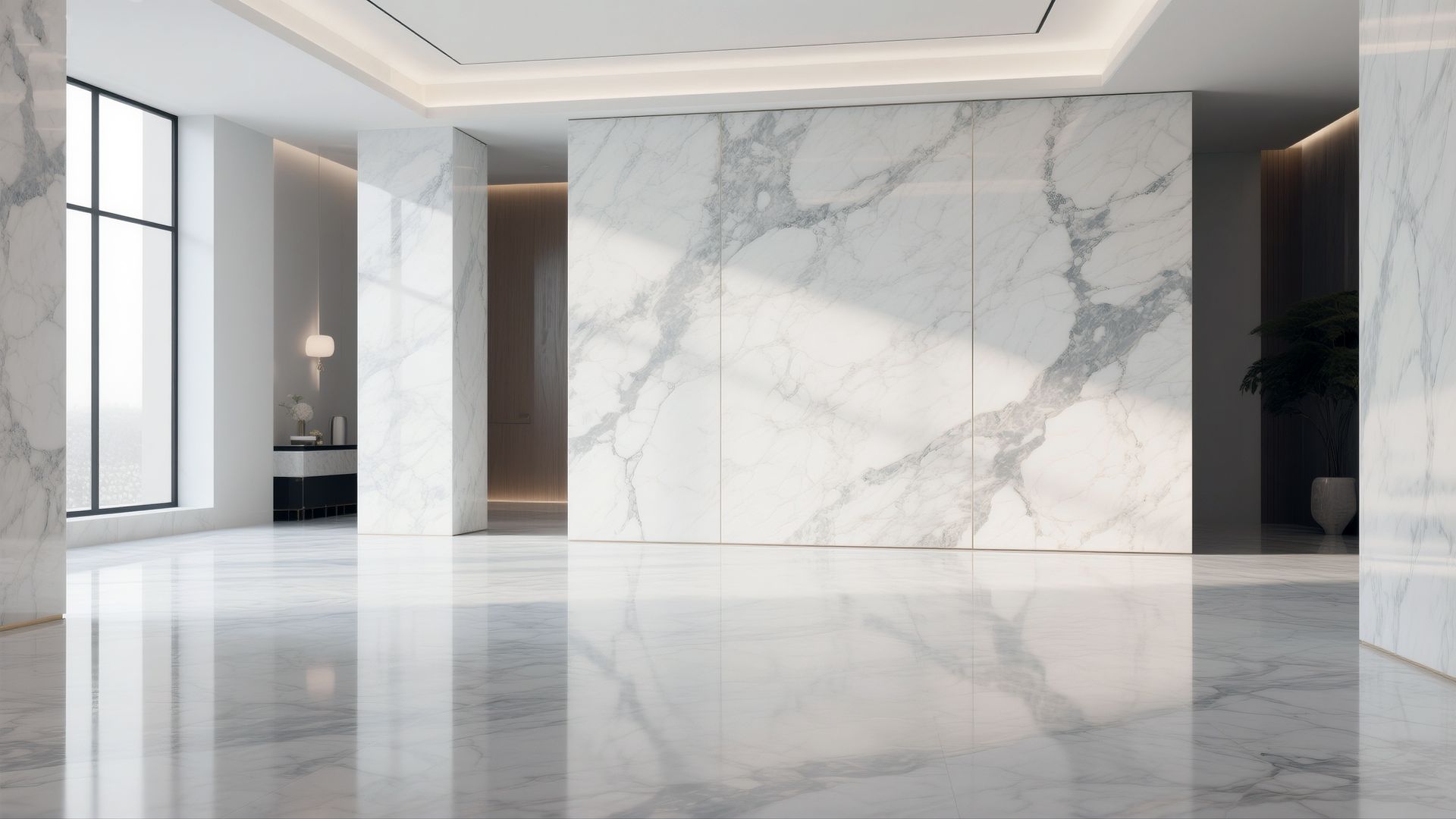
For large, open areas like kitchens that blend into living and dining spaces, larger format tiles tend to work best. They help the room feel more expansive by reducing the number of grout lines. With fewer seams, you get a cleaner, more continuous look that makes the entire area feel cohesive.
We often recommend rectangular tiles or square formats with wider dimensions. These work beautifully in spaces where the floors need to tie everything together without becoming the focal point. Our team can help guide you on laying patterns that add subtle texture or direction to the room without making it feel overly patterned.
Bathrooms and Powder Rooms
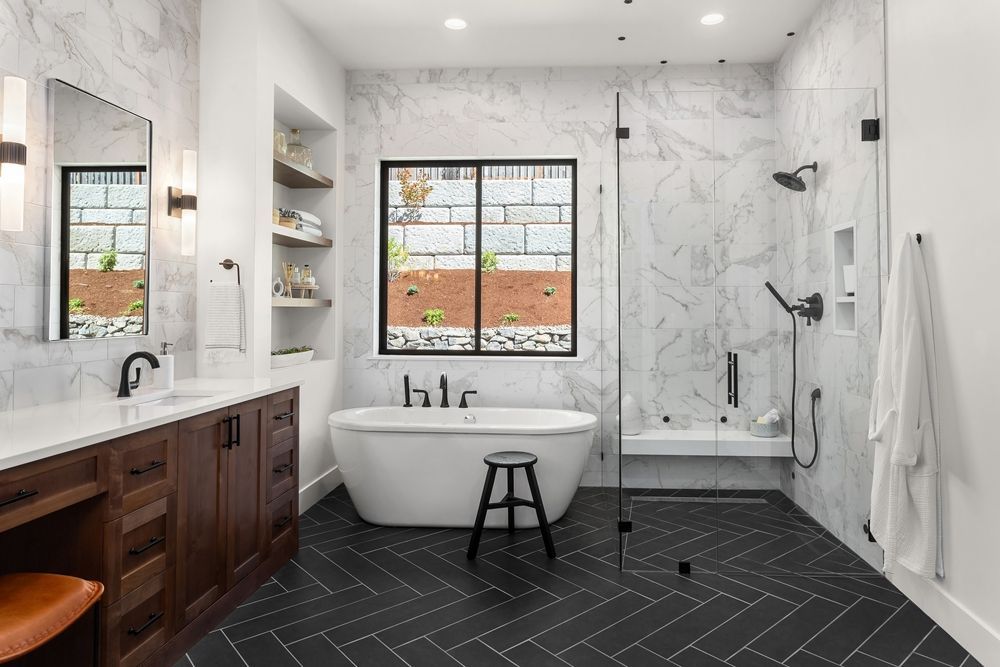
Smaller rooms require a bit more thought. Bathrooms often benefit from mid-sized tiles, depending on the layout and the features in the space. You don’t want the tiles to feel oversized compared to the shower, vanity, or toilet. At the same time, going too small can make it feel like there’s too much going on.
For floors, we typically guide our clients toward tile sizes that balance function and aesthetics. The right size helps the room feel stable and grounded without making it look chopped up.
For shower walls or tub surrounds, longer rectangular tiles laid vertically can help draw the eye upward, making the ceiling feel higher. In contrast, horizontal layouts can elongate the space. Our design team works through these options with you so the tile helps your bathroom feel exactly how you want it to feel, whether that’s cozy and calming or bright and open.
Laundry Rooms and Mudrooms
These hard-working spaces benefit from practicality, and that includes tile size. We usually recommend tile that’s easy to clean and feels proportionate to the room’s function. If your laundry room doubles as an entry point from the garage or backyard, the tile needs to hold up to dirt, moisture, and traffic.
Medium to large format tiles usually hit the mark here. They’re easy to mop, and the reduced grout lines help minimize cleaning. We’ve helped clients pick tile that complements the cabinets, appliances, and even wall color in these spaces so it feels like an intentional part of the home, not just an afterthought.
Entryways and Hallways
First impressions matter, and the right tile can set the tone as soon as someone walks in. Entryways are often transitional spaces, and the tile should feel like a natural extension of the rooms around it. The size you choose depends on the square footage, of course, but also the amount of light and traffic the area gets.
If you have a wide entryway, you can go larger with your tile. This gives it a sense of grandeur and helps anchor the space. For narrow hallways or smaller foyers, a smaller tile or a narrower plank-style tile can help elongate the space and keep it feeling balanced.
Kitchens
Kitchens have a lot going on. Cabinets, islands, appliances, and backsplashes all compete for attention. Choosing the right tile size for the floor can help everything else feel grounded. Larger tiles can simplify the floor visually and let the other features shine. In galley-style kitchens or smaller layouts, more modestly sized tiles may make more sense depending on the design goals.
We walk clients through how each option works with their cabinetry finish and countertop materials so the floor feels like part of a larger design rather than an isolated decision.
Patterns, Layouts, and Grout Considerations
It’s not just the size of the tile that matters. The pattern you choose for installation and the color of the grout also change how the tile is perceived. Large tiles in a straight lay pattern can feel modern and sleek. Smaller tiles in a herringbone or chevron layout add movement and visual interest.
Grout color can make tiles stand out or blend in. Matching grout creates a smoother look. Contrasting grout highlights the pattern and size of the tile. There’s no wrong answer. It all depends on the look you’re going for.
At Houston Grey, we always look at the room as a whole. We ask about the purpose of the space, the lighting, and how you want the room to feel. Then we recommend tile sizes and patterns that support those goals.
Why Size Impacts Your Design
Tile size affects scale and proportion. It influences how the eye moves across a room and whether a space feels larger or smaller. Too many grout lines can make a room feel busy. Oversized tiles in a compact space can make it feel cramped. The right size brings harmony and helps the tile support the room, not distract from it.
This is especially important in homes with open layouts. We often help clients transition from one tile size to another between spaces so the whole floor plan feels cohesive, not disconnected.
How Houston Grey Can Help
There are a lot of decisions to make when choosing flooring. That’s why our team is here. We take the time to understand your space, walk you through the best options, and explain the reasoning behind each recommendation. We have years of experience installing tile in homes across Middle Tennessee and Southern Kentucky, and we use that knowledge to help you avoid common mistakes and feel confident in your choices.
Our design consultations are hands-on. You’ll see real samples, visualize the layout, and talk through how each option will look once installed. We’re not just selling tile. We’re helping you build a home that reflects your style and works for your everyday life.
Start Your Tile Project with Confidence
Whether you’re building new or remodeling, the size of your tile matters. It affects the feel, flow, and function of every room. At Houston Grey, we make sure your tile selections look good on the surface and make sense behind the scenes. Let us help you find the right fit for every corner of your home.
Visit our Springfield showroom or schedule a design consultation today. We’ll walk through your project together and make sure every detail, including tile size, supports the home you’re building.