
BLOG
Flooring Insights
Luxury Flooring Trends, Expert Tips & Project Spotlights
Stay informed with the latest in luxury tile and flooring—from trending designs and expert installation tips to case studies showcasing our high-end projects. Whether you're a homeowner, builder, or designer, our insights will help you make the best choices for your space.

March 24, 2026
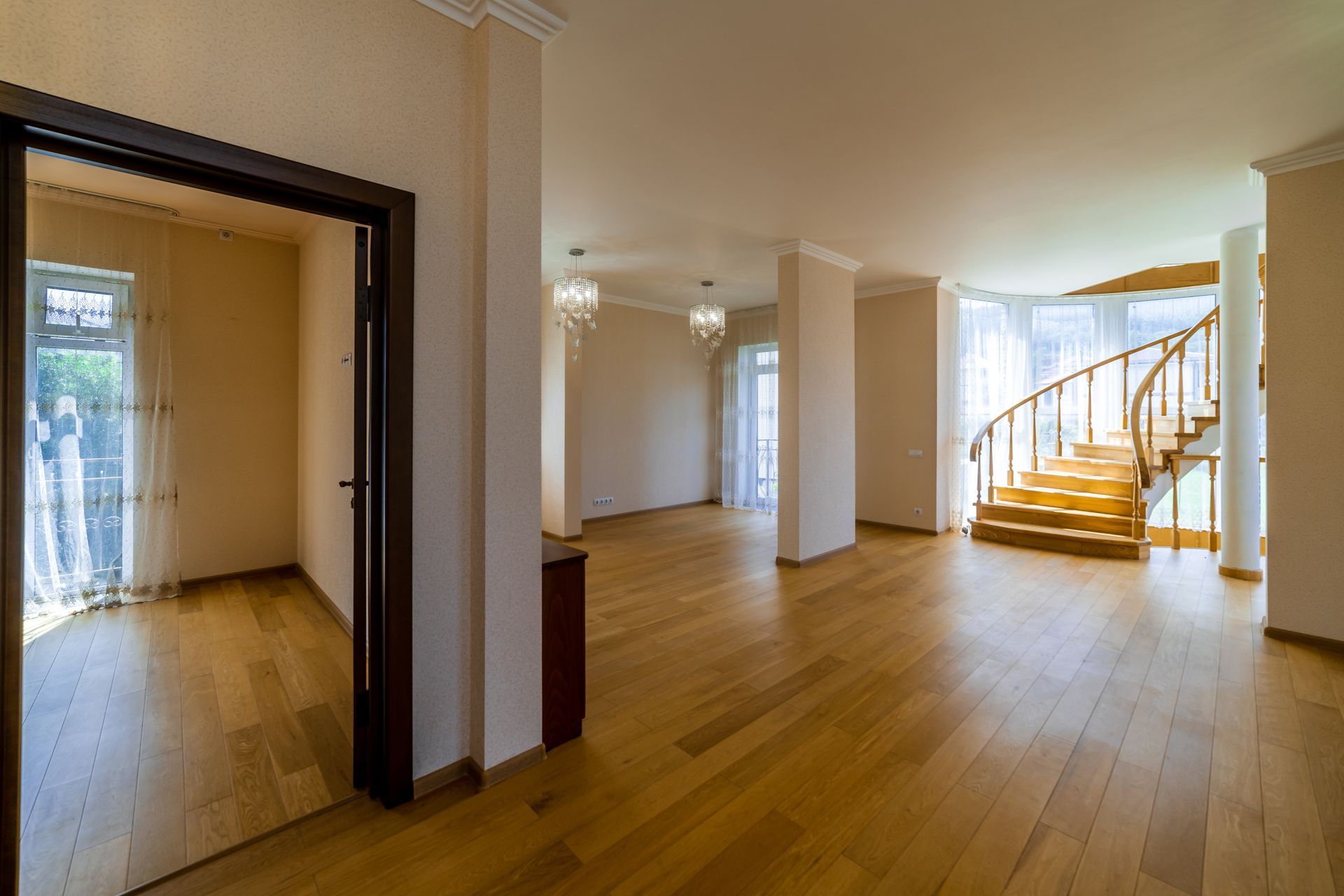
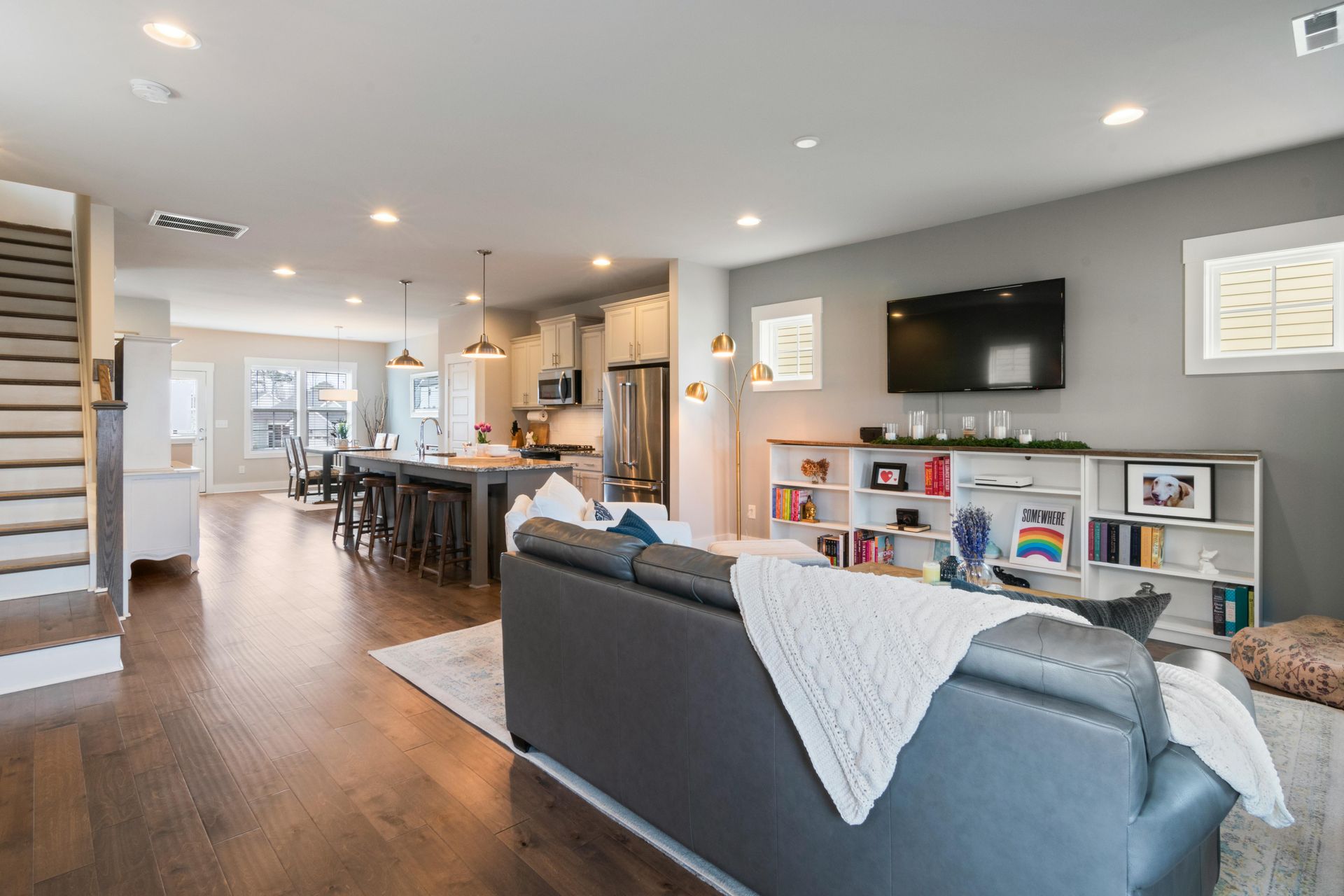
Bedrooms and living spaces require a different approach to flooring compared to more functional areas like kitchens and entryways. These spaces are focused on comfort, design, and creating an environment that feels inviting. Choosing the right flooring helps support these goals while still maintaining long term performance. Comfort is one of the most important factors in these areas. Flooring should create a surface that feels good underfoot and contributes to the overall atmosphere of the space. This is particularly important in bedrooms, where the goal is to create a relaxing environment. Design plays a significant role as well. Flooring in living spaces often serves as a backdrop for furniture and decor, making it important to choose a material that complements these elements. Neutral tones can provide flexibility, while more distinct options can add character to the space. Durability is still a consideration, even in these areas. While they may not experience the same level of traffic as kitchens or entryways, they still need to maintain their appearance over time. Choosing a material that balances comfort with performance helps ensure that the space remains functional. Acoustics can also be influenced by flooring choices. Softer materials can help reduce noise and create a more comfortable environment, particularly in larger living spaces. This contributes to the overall feel of the home. Lighting plays a role in how flooring appears in these areas. Natural light, combined with interior lighting, can change the way colors and textures are perceived. Choosing flooring that looks consistent in different conditions helps create a stable design. Houston Grey provides a showroom experience where you can explore flooring options for bedrooms and living spaces, helping you find a balance between comfort, design, and performance. By considering these factors together, you can create spaces that feel both inviting and well designed.
March 24, 2026
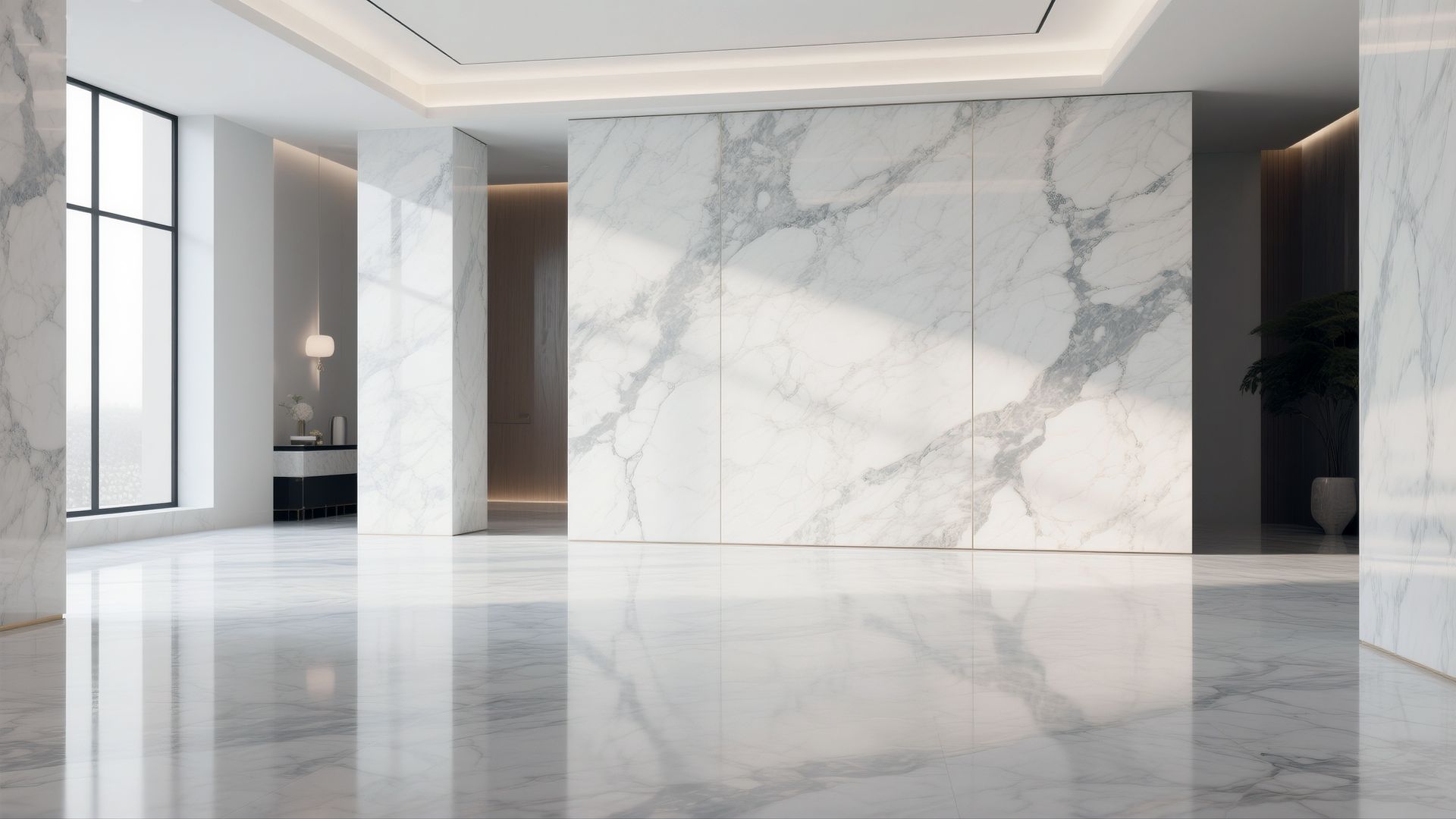
High traffic areas require flooring that can handle constant use without compromising appearance or performance. These spaces include entryways, hallways, kitchens, and living areas where daily activity is concentrated. Choosing the right flooring for these areas ensures that your home remains functional and visually appealing over time. Durability is the most important factor in high traffic areas. Flooring needs to withstand frequent movement, potential impacts, and general wear without showing significant signs of damage. Materials that are designed for resilience help maintain a consistent appearance and reduce the need for repairs. Maintenance is another key consideration. High traffic areas are more likely to accumulate dirt and debris, making it important to choose flooring that is easy to clean. This helps keep the space looking its best with minimal effort. Design should also be considered, as high traffic areas often serve as focal points in the home. Flooring that complements the overall design helps create a cohesive look while still meeting performance requirements. Balancing durability with aesthetics ensures that the space feels both functional and well designed. Texture can play a role in how flooring performs in these areas. Certain finishes can help mask wear and maintain a consistent appearance over time. This is particularly useful in spaces that experience heavy use. Lighting and layout also influence how flooring appears in high traffic areas. Choosing materials that work well with the lighting conditions helps maintain a consistent look throughout the day. Considering how the space is used and how it connects to other areas helps guide the decision. Houston Grey provides the expertise needed to select flooring that performs well in high traffic areas while supporting the overall design of your home. By focusing on durability, maintenance, and design, you can create spaces that hold up over time without sacrificing style.

March 24, 2026
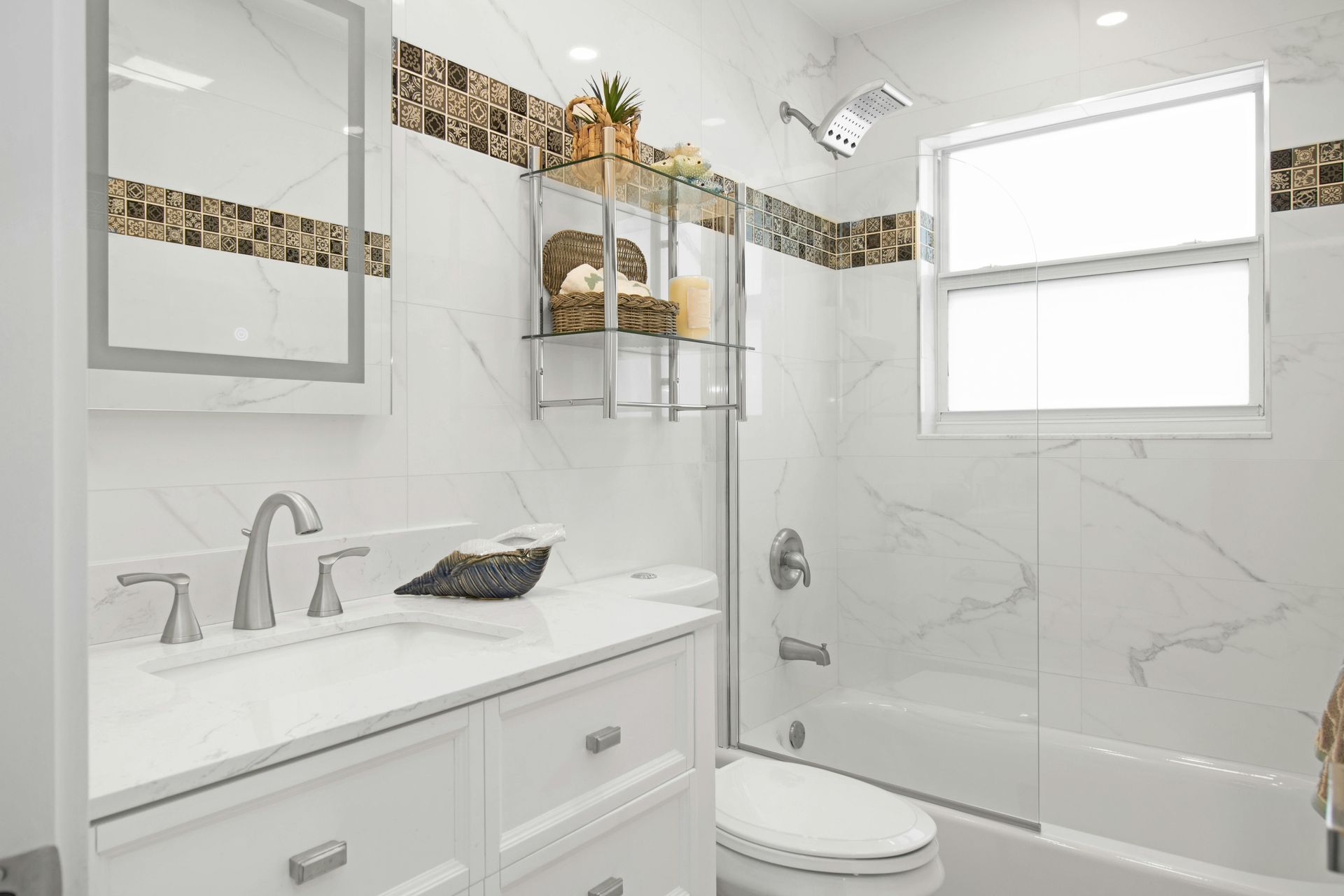
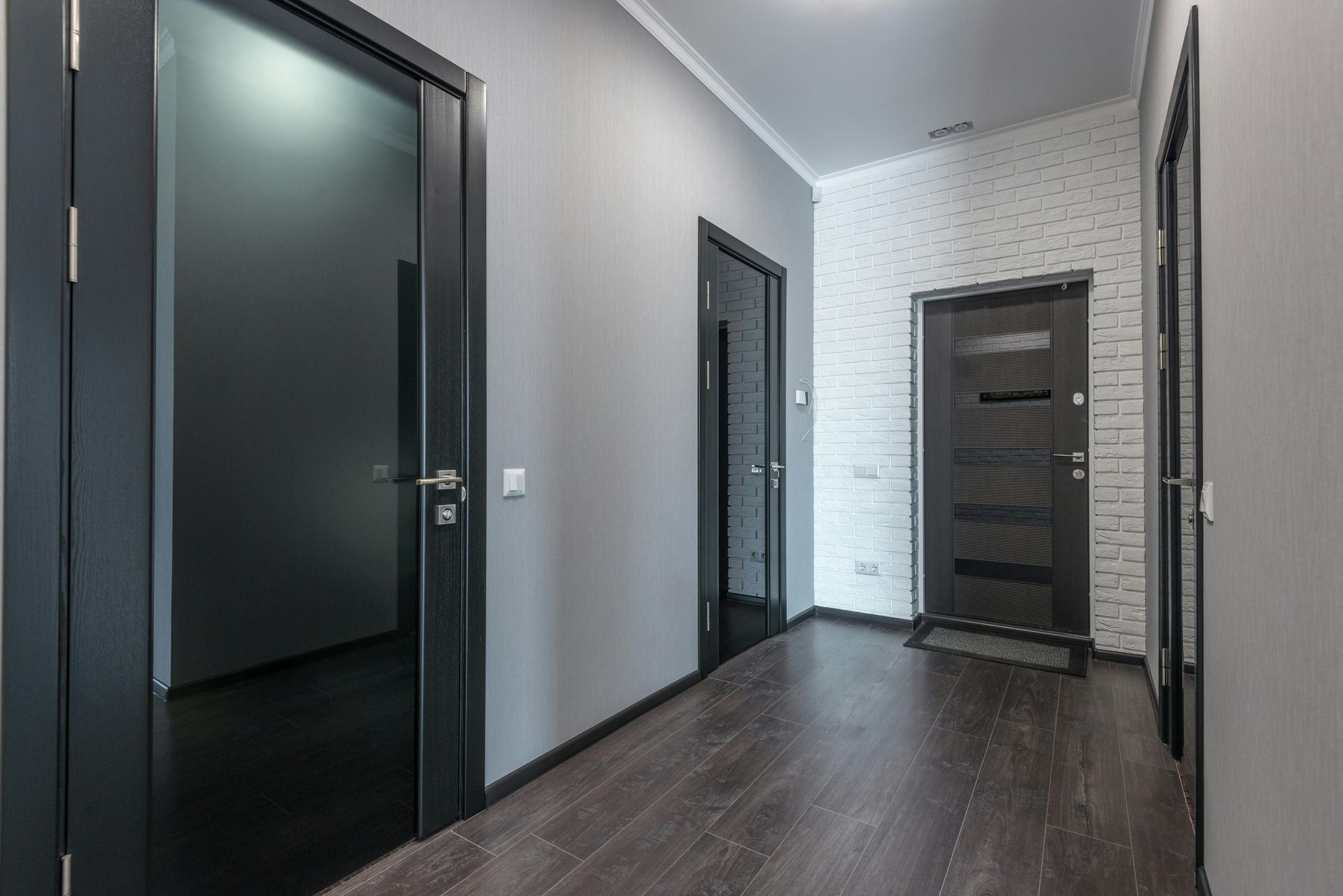
Bathroom design requires a balance between style and performance, and tile is one of the most important elements in achieving that balance. The environment in a bathroom presents unique challenges, including moisture, temperature changes, and frequent use. Choosing the right tile ensures that the space not only looks good but also performs well over time. One of the most important factors in selecting bathroom tile is moisture resistance. Bathrooms are exposed to constant humidity and direct contact with water, making it essential to choose materials that can handle these conditions. Tile is a strong option because it provides a durable and water resistant surface that maintains its integrity over time. Durability is another key consideration. Bathroom tile needs to withstand daily use without showing signs of wear. This includes resistance to scratches, stains, and general wear from foot traffic. Choosing a tile that maintains its appearance helps ensure that the space continues to feel clean and well maintained. Slip resistance is also an important factor, particularly for flooring. Bathrooms can become slippery when wet, and selecting a tile that provides traction helps create a safer environment. This is especially important in households with children or older adults. Design plays a significant role in bathroom tile selection. The size, color, and layout of the tile all contribute to the overall look of the space. Larger tiles can create a more seamless appearance, while smaller tiles can add detail and texture. The choice depends on the style you want to achieve and how the tile interacts with other elements in the bathroom. Grout selection is another factor that impacts both performance and appearance. The right grout can enhance the look of the tile while also providing durability and resistance to moisture. Choosing a grout that complements the tile helps create a cohesive design. Installation quality is critical when working with bathroom tile. Proper installation ensures that the tile performs as expected and reduces the risk of issues over time. This includes preparing the surface correctly and ensuring that all components are installed with precision. Maintenance is also an important consideration. While tile is generally easy to maintain, understanding how to care for it helps preserve its appearance. Choosing materials that align with your maintenance preferences ensures that the space remains functional and attractive. Houston Grey offers a showroom experience that allows you to explore bathroom tile options and see how they perform in a real setting. By considering both design and performance, you can choose a tile that supports long term use while enhancing the overall look of your bathroom.


March 24, 2026
The kitchen is one of the most used spaces in any home, and the flooring you choose plays a major role in how it performs over time. In Middle Tennessee, where kitchens often serve as the center of daily activity, flooring needs to balance durability, design, and ease of maintenance. Choosing the right option ensures that your kitchen not only looks great but also stands up to everyday use. One of the most important factors to consider is how the flooring handles moisture. Kitchens are exposed to spills, humidity, and frequent cleaning, all of which can impact certain materials. Flooring that resists moisture helps prevent issues over time and maintains its appearance with less effort. This is a key consideration when evaluating different options. Durability is another critical element. Kitchens experience constant foot traffic, movement of chairs, and general wear from daily use. Flooring that can handle this level of activity without showing significant wear is essential. Choosing a material that maintains its appearance over time helps ensure that the kitchen continues to look well maintained. Design also plays a significant role in kitchen flooring. The material you choose should complement cabinetry, countertops, and other finishes. A cohesive design creates a sense of balance and enhances the overall look of the space. Seeing these elements together in a showroom helps ensure that your selections work as intended. Comfort is another factor that homeowners often consider. Kitchens are spaces where people spend a significant amount of time standing, and flooring that provides a comfortable surface can make a noticeable difference. While durability is important, it should not come at the expense of comfort. Maintenance is also a key consideration. Flooring that is easy to clean and maintain helps keep the kitchen looking its best without requiring excessive effort. This is particularly important in busy households where time is limited. Lighting can influence how flooring appears in a kitchen. Natural light, combined with overhead lighting, can change the way colors and textures are perceived. Choosing a flooring option that looks consistent in different lighting conditions helps create a stable and cohesive design. The connection between the kitchen and adjacent spaces is also important, especially in open concept homes. Flooring should create a smooth transition between areas, maintaining continuity while supporting the function of each space. Houston Grey provides the ability to explore kitchen flooring options in a way that helps you understand how they will perform in your home. By considering durability, design, and maintenance together, you can choose a flooring solution that supports both the look and function of your kitchen.

February 28, 2026
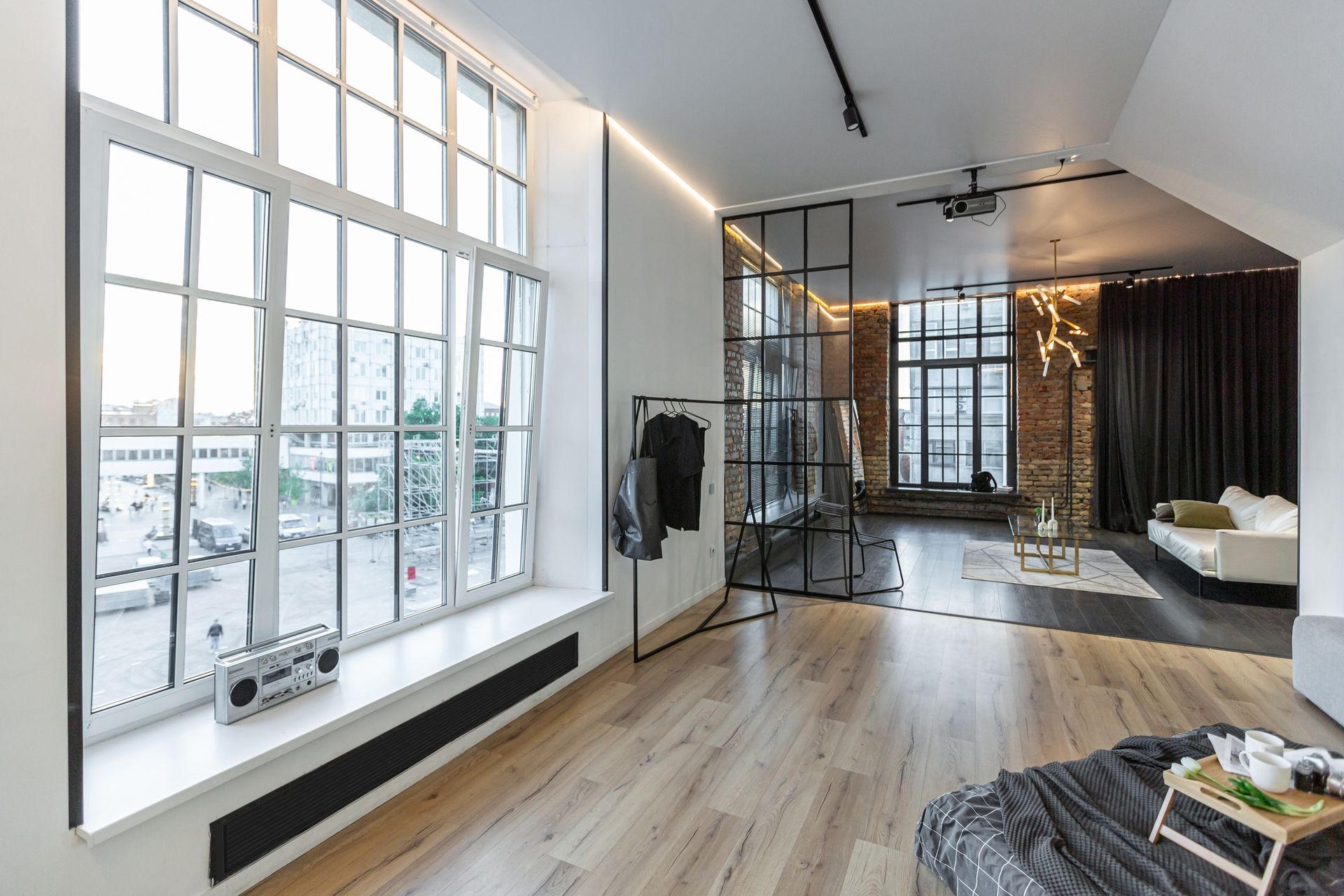
Choosing between modern and traditional flooring styles is one of the most common decisions homeowners face when designing a space. Each approach offers a distinct look and feel, and the right choice depends on how you want your home to function and be perceived over time. Understanding the differences between these styles helps you make a decision that aligns with both your personal preferences and the overall design of your home. Modern flooring styles are often defined by simplicity and consistency. Clean lines, subtle textures, and more uniform color tones create a look that feels open and uncluttered. This approach works well in homes that emphasize minimalism or contemporary design, where the goal is to create a space that feels streamlined and intentional. Modern flooring often acts as a neutral foundation, allowing other elements such as furniture and lighting to stand out. Traditional flooring styles take a different approach, focusing on warmth, character, and detail. Richer tones, natural variation, and more textured finishes create a sense of depth that adds personality to a space. This style works well in homes that lean toward classic design, where the goal is to create a comfortable and inviting environment. Traditional flooring often becomes a focal point, contributing to the overall character of the home. One of the key differences between these styles is how they interact with other design elements. Modern flooring tends to blend seamlessly with the surrounding space, creating a cohesive and understated look. Traditional flooring, on the other hand, adds contrast and visual interest, helping define the space in a more noticeable way. Understanding how each style fits into your overall design helps guide the decision. Durability and maintenance can also vary depending on the materials used within each style. While both modern and traditional options can offer strong performance, the specific material and finish will influence how the flooring holds up over time. Choosing a style that aligns with your lifestyle ensures that the flooring continues to perform as expected. Lighting plays an important role in how each style is perceived. Modern flooring often reflects light in a way that enhances the openness of a space, while traditional flooring can absorb light and create a more intimate atmosphere. Considering how your home is lit throughout the day helps determine which style will feel most natural in your space. Another factor to consider is long term flexibility. Modern flooring tends to provide more versatility when it comes to updating furniture and decor, as it acts as a neutral base. Traditional flooring may require more thoughtful coordination with other elements to maintain a cohesive look. Both approaches have their advantages, depending on how you plan to evolve your space over time. Many homeowners find that a blend of modern and traditional elements creates the best result. This approach allows you to combine the simplicity of modern design with the warmth of traditional materials, creating a space that feels both current and comfortable. Working with a showroom like Houston Grey helps you explore these combinations and see how they come together in a real environment. Choosing between modern and traditional flooring is not about finding a single correct answer. It is about understanding how each style contributes to the overall feel of your home and selecting the option that aligns with your vision. With the right guidance, you can create a space that feels both intentional and timeless.

February 23, 2026
Tile is one of the most versatile materials in home design, and when used correctly, it can create a high end look that elevates both kitchens and bathrooms. The difference between a standard installation and a refined design often comes down to how the tile is selected, combined, and installed. Understanding these factors can help you achieve a result that feels polished and intentional. One of the most important aspects of creating a high end look with tile is selection. The size, color, and finish of the tile all contribute to the overall design. Larger tiles can create a more seamless appearance with fewer grout lines, while smaller tiles can add detail and texture. Choosing the right size for the space helps establish the tone of the design. Color plays a major role in how tile is perceived. Neutral tones are often used to create a clean and timeless look, while more dramatic colors can add depth and contrast. The key is to ensure that the tile complements other elements in the space, such as cabinetry, countertops, and fixtures. Layout is another factor that can elevate the design. Simple layouts can create a clean and modern look, while more intricate patterns can add visual interest. The choice of layout should align with the overall style of the home and enhance the design rather than distract from it. Grout selection is often overlooked but has a significant impact on the final appearance. The color and finish of the grout can either blend with the tile or create contrast. Choosing the right combination helps define the look and contributes to the overall design. Installation quality is critical when working with tile. Precise alignment, consistent spacing, and attention to detail are what separate a high end finish from a standard one. Working with experienced professionals ensures that the installation meets these standards. Lighting also plays a role in how tile is perceived. The way light interacts with the surface can highlight texture and color, adding depth to the design. Considering lighting during the selection process helps ensure that the tile looks as intended in the finished space. Combining different types of tile can also create a more dynamic design. Using one tile for flooring and another for walls or accents allows for variation while maintaining cohesion. The key is to ensure that these elements work together rather than competing. Houston Grey provides a showroom experience where you can explore these combinations and see how different options come together. This makes it easier to visualize the final result and make decisions that align with your design goals. Creating a high end look with tile is about more than choosing a premium material. It is about understanding how each element contributes to the overall design and making decisions that bring those elements together in a cohesive way.

February 10, 2026
Open concept homes have become one of the most popular layouts in Middle Tennessee, offering a sense of space, flexibility, and connection between living areas. While this layout creates many design opportunities, it also presents unique challenges when it comes to flooring. Choosing the right flooring for an open concept home requires careful consideration to ensure that the space feels cohesive while still supporting different functions. One of the most important factors in open concept flooring is continuity. Because multiple areas are connected, the flooring needs to create a seamless transition from one space to another. Using a consistent material throughout helps achieve this effect, making the home feel larger and more unified. Breaks in flooring can disrupt this flow and make the space feel segmented. Durability is another key consideration, especially in areas that see frequent use. Open concept homes often combine kitchens, living rooms, and dining areas, all of which experience different types of traffic. Choosing a material that can handle these varying conditions ensures that the flooring maintains its appearance over time. This is particularly important in kitchens, where spills and moisture are more common. Design flexibility is also important in open concept spaces. While continuity is key, the flooring should also support different design elements within each area. This can be achieved through subtle variations in texture or finish while maintaining a consistent overall look. The goal is to create distinction without disrupting the flow of the space. Lighting plays a significant role in open concept homes, as natural light often moves freely throughout the space. Flooring should complement this lighting, enhancing the overall feel of the home. Lighter tones can help reflect light and create a more open feel, while darker tones can add contrast and depth. Maintenance is another factor to consider, especially in high traffic areas. Flooring that is easy to clean and maintain helps ensure that the space continues to look its best with minimal effort. This is particularly important in homes where multiple areas are used frequently throughout the day. Acoustics can also be influenced by flooring choices. Open concept homes can sometimes amplify sound, and certain materials can help reduce noise and create a more comfortable environment. This is something that homeowners may not consider initially but can have a noticeable impact on daily living. The scale of the space should also be taken into account. Larger areas can benefit from wider planks or larger tiles, which help maintain proportion and enhance the overall design. Smaller formats may create too much visual interruption in a large open space. Working with a showroom like Houston Grey allows you to see how different flooring options will perform in an open concept layout. By comparing materials and visualizing them in a connected space, you can make a more informed decision that supports both design and functionality. Choosing the right flooring for an open concept home is about creating balance. It requires a combination of continuity, durability, and design awareness to ensure that the space feels both cohesive and practical.

February 3, 2026
Choosing flooring is not just about selecting a material you like, it is about finding something that supports the overall design of your home. Flooring connects every space and acts as the foundation for everything else, from cabinetry and furniture to lighting and finishes. When it is chosen correctly, it brings cohesion to the design. When it is not, it can make even well designed spaces feel disconnected. Understanding how to match flooring with your home’s style is key to creating a space that feels complete. One of the first steps in this process is identifying the overall direction of your home’s design. Whether you are leaning toward a modern, traditional, transitional, or more custom blend of styles, your flooring should reinforce that direction. For example, modern spaces often benefit from cleaner lines and more consistent tones, while traditional designs may call for richer textures and more variation. Having clarity on this direction makes it easier to narrow down options and avoid choices that do not align. Color plays a major role in how flooring interacts with the rest of the home. The tone of your flooring should complement other elements rather than compete with them. This includes cabinetry, countertops, wall colors, and trim. A well chosen floor creates balance, allowing each element to stand out without overwhelming the space. Seeing these combinations in person can make a significant difference in understanding how they will work together. Texture is another factor that influences how flooring fits into the design. Smooth finishes create a more refined look, while textured options add depth and character. The right choice depends on the overall feel you want to achieve. Texture can also help balance other elements in the home, creating contrast where needed and cohesion where appropriate. Transitions between spaces are also important when matching flooring to design. Open concept homes, which are common in Middle Tennessee, require flooring that can flow seamlessly from one area to another. This creates a sense of continuity that makes the home feel larger and more connected. In spaces where different materials are used, thoughtful transitions help maintain that flow without creating abrupt changes. Lighting is often overlooked but plays a significant role in how flooring appears. Natural and artificial light can change the way colors and textures are perceived throughout the day. Viewing flooring samples in a showroom and considering how they will look in your specific lighting conditions helps ensure that your choice remains consistent in different environments. Another consideration is how your flooring will interact with furniture and decor. Flooring should serve as a foundation that supports these elements rather than competing with them. Neutral tones often provide more flexibility, allowing you to update furniture and decor over time without needing to change the flooring. The size of the space can also influence your decision. Larger areas may benefit from wider planks or larger tiles to create a more expansive feel, while smaller spaces may require a different approach to maintain balance. Understanding how scale affects design helps ensure that your flooring choice enhances the overall layout. Working with professionals who understand both design and materials can make this process much easier. Houston Grey provides a showroom experience where you can see how different options work together, allowing you to make decisions with confidence. Instead of guessing, you are able to visualize how your flooring will fit into your home’s design. Matching flooring with your home’s overall style is about more than aesthetics. It is about creating a space that feels intentional and cohesive. With the right approach and guidance, your flooring becomes a key part of what makes your home feel complete.

January 30, 2026
Flooring trends in luxury homes continue to evolve, reflecting changes in design preferences, lifestyle needs, and material innovation. In Middle Tennessee, homeowners are looking for options that combine visual appeal with long term performance. Understanding current trends can help guide decisions and ensure that your home feels both modern and timeless. One of the most noticeable trends is the move toward wider planks in hardwood flooring. This creates a more open and seamless look that complements larger living spaces. Wider planks also highlight the natural character of the wood, adding depth and interest to the design. Neutral tones continue to dominate, but with a shift toward warmer and more natural shades. These tones create a welcoming environment and provide flexibility when it comes to furniture and decor. They also help create a cohesive look throughout the home. Texture is becoming more important as well. Homeowners are looking for finishes that add subtle variation and reduce the appearance of wear over time. This includes options that provide a more natural feel while still maintaining a refined appearance. Tile is also playing a larger role in luxury home design, particularly in kitchens and bathrooms. Large format tiles are being used to create a clean and modern look, while also reducing grout lines and simplifying maintenance. This trend supports both aesthetics and functionality. Another trend is the integration of different materials to define spaces within the home. Instead of using a single flooring type throughout, homeowners are combining materials to create visual interest and highlight different areas. This approach allows for more customization and a more dynamic design. Durability is becoming a key consideration in luxury homes. Homeowners are looking for materials that not only look good but also perform well over time. This has led to increased interest in options that offer both style and resilience. Sustainability is also influencing flooring choices, with more homeowners considering the long term impact of the materials they select. While design remains the primary focus, there is a growing awareness of how materials are sourced and how they perform over time. The showroom experience plays a significant role in exploring these trends. Seeing materials in person allows homeowners to understand how different options will look and feel in their space. This helps bridge the gap between inspiration and decision making. Houston Grey stays aligned with these trends while helping homeowners make choices that will stand the test of time. By combining current design insights with practical guidance, they help ensure that your flooring reflects both style and performance.

January 27, 2026
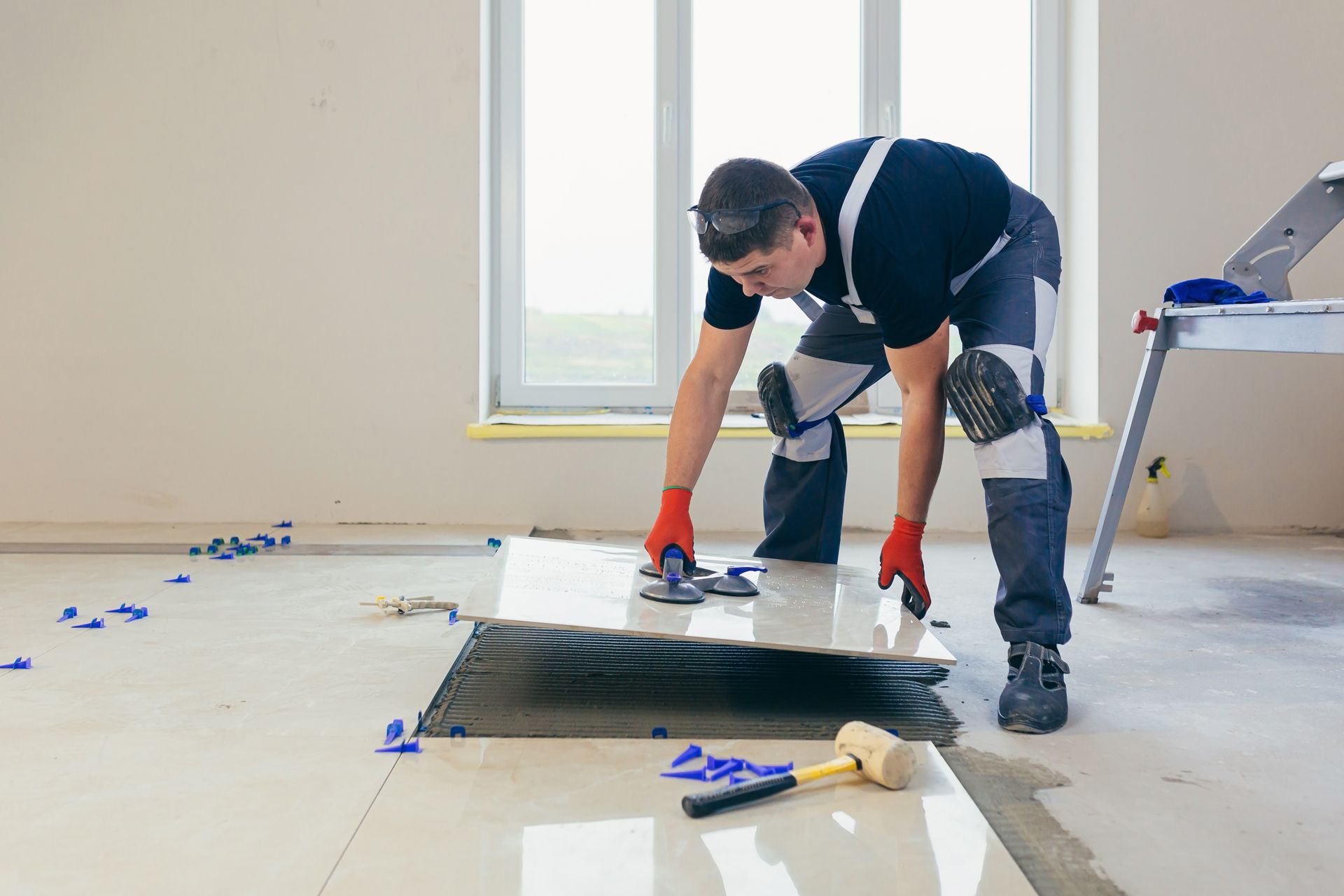
Flooring installation is one of the final steps in a construction project, but it has a significant impact on both the quality of the finished home and the overall timeline. While material selection is important, the way those materials are installed determines how they perform and how they are perceived. Professional installation ensures that flooring not only looks right but also functions as intended over time. One of the most immediate impacts of professional installation is consistency. Flooring that is installed correctly creates a clean and uniform appearance that enhances the overall design of the home. Inconsistent installation can lead to visible issues that affect the final result, even if high quality materials are used. Attention to detail during installation ensures that the finished product meets expectations. Timeline is another area where professional installation makes a difference. Experienced installers understand how to work efficiently while maintaining quality. They are familiar with the process and can complete work in a way that aligns with the overall project schedule. This reduces the likelihood of delays and helps keep the project moving forward. Coordination with other trades is also a critical factor. Flooring installation must align with the completion of other elements such as cabinetry and trim. Professional installers work within this framework, ensuring that their work integrates smoothly with the rest of the project. This level of coordination helps prevent conflicts and keeps the timeline intact. Preparation is a key part of the installation process. Proper subfloor preparation ensures that the flooring will perform as expected and reduces the risk of issues over time. Professional installers understand the importance of this step and take the time to address it correctly. Skipping or rushing preparation can lead to problems that are costly to fix later. Another benefit of professional installation is the ability to handle challenges as they arise. Construction projects often present unexpected conditions, and experienced installers know how to adapt. This flexibility helps maintain progress and ensures that the final result meets quality standards. Long term performance is directly tied to installation quality. Flooring that is installed correctly is more likely to maintain its appearance and function over time. This reduces the need for repairs and helps protect the value of the home. Professional installation is an investment in the long term performance of the flooring. Builders also benefit from the reduced need for oversight when working with professional installers. Knowing that the installation is being handled correctly allows them to focus on other aspects of the project. This contributes to a more efficient workflow and reduces stress throughout the build process. The client experience is also influenced by installation quality. Homeowners expect a finished product that reflects the investment they have made in their home. Professional installation helps ensure that expectations are met and that the final result aligns with the design vision. Choosing the right installation partner is just as important as selecting the right materials. Houston Grey provides both, ensuring that flooring is installed with the same level of care and attention that goes into the selection process.

January 1, 2026
Choosing the right flooring partner is one of the most important decisions a builder can make during a project. Flooring is not just a finishing touch, it is a critical component that impacts timelines, client satisfaction, and the overall quality of the build. The right partner can help streamline the process and reduce stress, while the wrong one can introduce delays, miscommunication, and costly mistakes. Understanding what to look for in a flooring partner helps ensure that your projects run smoothly from start to finish. One of the first things builders should evaluate is reliability. Construction schedules depend on consistency, and any disruption in materials or installation can create a ripple effect across the entire project. A strong flooring partner understands the importance of timelines and works proactively to meet them. This includes clear communication, accurate scheduling, and the ability to deliver on commitments without last minute surprises. Experience in working with builders is another important factor. Flooring providers who primarily serve retail customers may not fully understand the demands of a construction environment. Builders need partners who are familiar with project timelines, sequencing, and coordination with other trades. This level of understanding helps prevent misalignment and ensures that flooring integrates seamlessly into the overall build process. Communication plays a major role in how effective a partnership will be. Builders need timely updates on material availability, scheduling, and any potential issues that could impact the project. A flooring partner who communicates clearly and consistently allows builders to plan ahead and avoid unnecessary delays. This level of transparency builds trust and creates a more efficient working relationship. Product knowledge is also critical when evaluating a flooring partner. Builders rely on their partners to provide guidance on materials that will perform well in specific applications. This includes understanding how different products respond to traffic, moisture, and environmental conditions. A knowledgeable partner helps ensure that the selections made will meet both design expectations and long term performance requirements. Installation quality is another key consideration. Even the best materials can underperform if they are not installed correctly. Builders should look for partners who take ownership of the installation process and maintain high standards of workmanship. This includes having experienced crews, clear processes, and a commitment to delivering consistent results. Flexibility is also important in a construction environment. Projects rarely go exactly as planned, and having a partner who can adapt to changes makes a significant difference. Whether it is adjusting schedules or addressing unexpected challenges, a flexible flooring partner helps keep the project moving forward without unnecessary disruption. The client experience is another factor that builders should consider. Flooring selection is a key part of the home building process, and it often involves direct interaction with the homeowner. A partner who provides a structured and professional experience helps reinforce the builder’s reputation and creates a positive impression for the client. Builders should also consider how a flooring partner contributes to overall efficiency. This includes how materials are sourced, how selections are managed, and how installation is coordinated. A partner who can streamline these aspects of the project adds value beyond just providing materials. Long term relationships are built on consistency and performance. Builders benefit from working with partners who understand their processes and can deliver reliable results across multiple projects. This creates a level of predictability that supports growth and reduces the need to constantly evaluate new providers. Houston Grey is focused on providing this level of partnership, offering builders a reliable, knowledgeable, and efficient solution for flooring. By aligning with the needs of modern construction, they help ensure that projects are completed on time and to a high standard.

December 31, 2025
Flooring selection is one of the most important parts of the custom home building process, but it can also be one of the most time consuming if not handled properly. With so many options available, clients can quickly become overwhelmed, leading to delays and uncertainty that impact the overall project timeline. Streamlining this process is essential for both builders and homeowners, creating a more efficient and enjoyable experience from start to finish. One of the most effective ways to streamline flooring selections is by narrowing the focus early in the process. Instead of presenting clients with endless options, it is more productive to guide them toward a curated selection that aligns with their style and the overall design of the home. This approach reduces decision fatigue and helps clients make confident choices without feeling overwhelmed. Timing also plays a critical role in the selection process. Waiting too long to make flooring decisions can create challenges later in the project, especially when materials need to be ordered and scheduled for installation. By prioritizing these decisions early, builders can avoid last minute changes and ensure that materials are available when needed. Communication between the builder, client, and flooring provider is another key factor. Clear expectations around timelines, options, and next steps help keep the process moving smoothly. When everyone is aligned, it becomes easier to make decisions and avoid delays that can impact the project. The environment in which selections are made also influences how efficient the process is. A well organized showroom allows clients to see options in context, compare materials, and understand how different choices will work together. This makes it easier to visualize the final result and reduces uncertainty in decision making. Guidance from experienced professionals is essential in this process. Clients often benefit from having someone who can explain the differences between materials, highlight what works best for their specific needs, and help them refine their choices. This level of support not only speeds up the process but also improves the overall outcome. Another important aspect is setting clear expectations around the number of decisions that need to be made. Breaking the process into manageable steps helps clients stay focused and prevents them from feeling overwhelmed. It also allows builders to track progress and ensure that selections are completed on time. Consistency in the selection process also contributes to efficiency. When builders use the same approach for each project, it becomes easier to manage timelines and expectations. Working with a partner like Houston Grey, who understands this process, helps create a repeatable system that supports both speed and quality. Ultimately, streamlining flooring selections is about creating a process that balances efficiency with thoughtful decision making. By guiding clients through a structured approach and providing the right level of support, builders can keep projects on schedule while delivering results that meet expectations. Houston Grey is focused on making this process as smooth as possible, providing the tools and expertise needed to help clients make confident decisions without unnecessary delays.