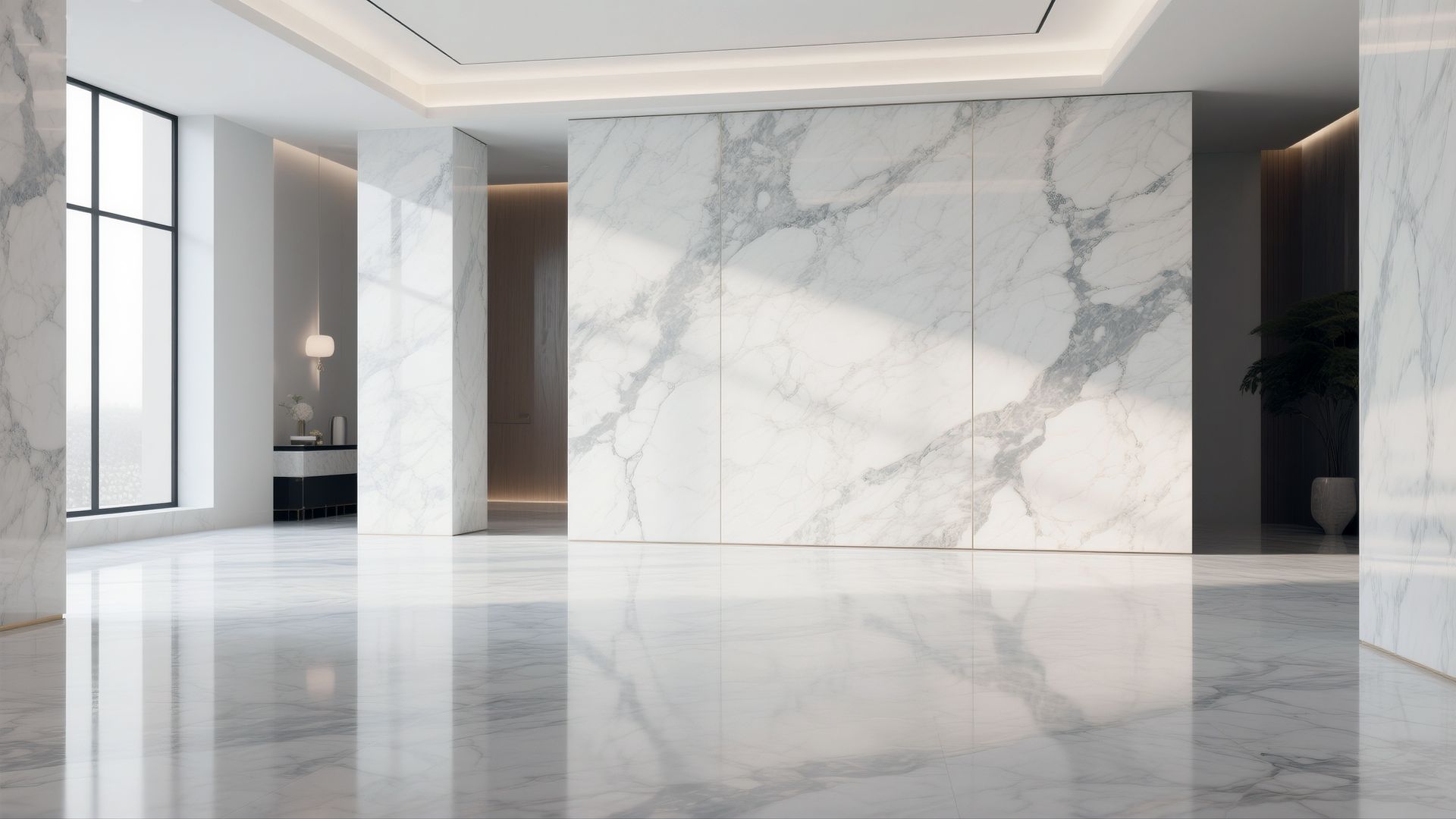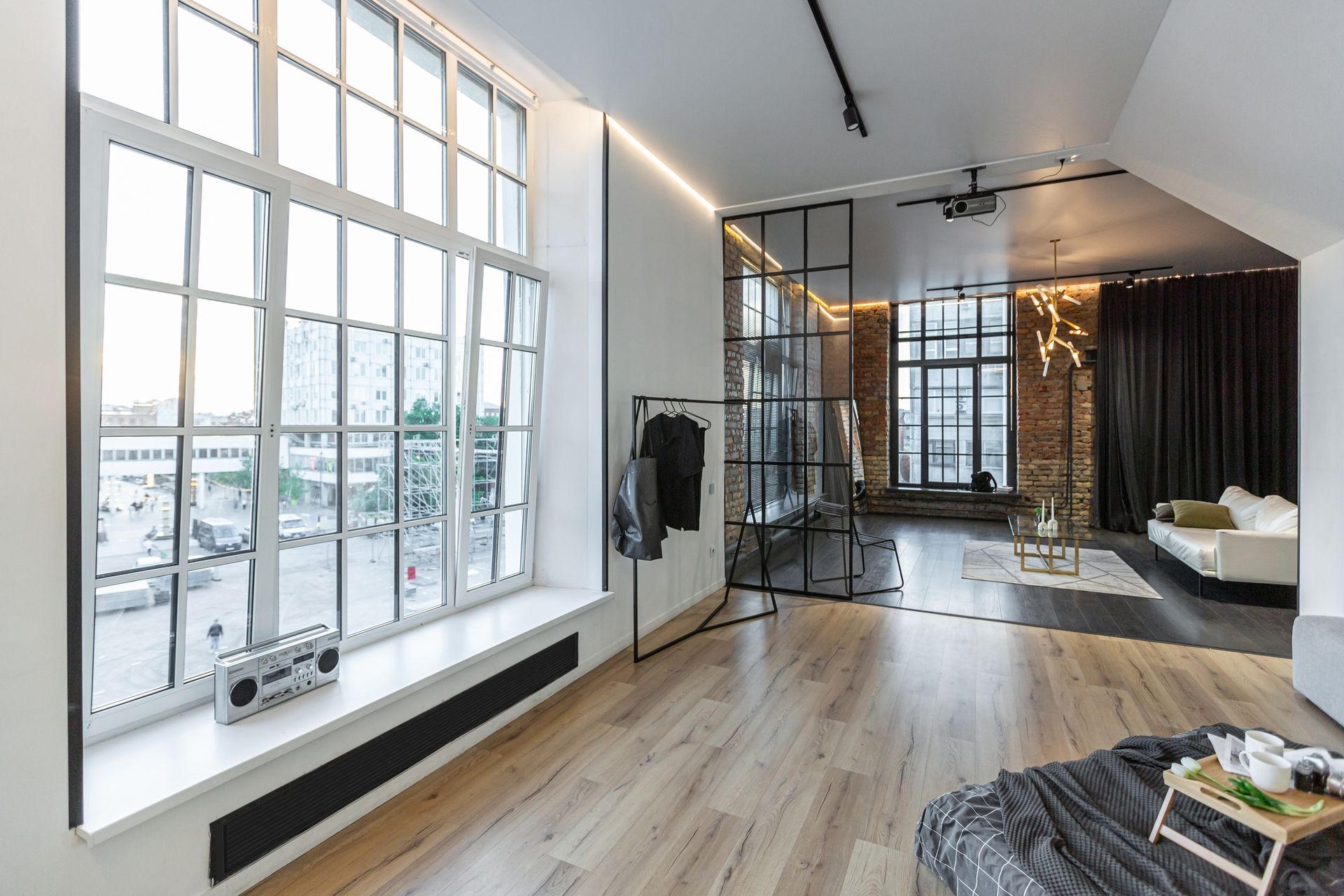

Open concept homes have become one of the most popular layouts in Middle Tennessee, offering a sense of space, flexibility, and connection between living areas. While this layout creates many design opportunities, it also presents unique challenges when it comes to flooring. Choosing the right flooring for an open concept home requires careful consideration to ensure that the space feels cohesive while still supporting different functions.
One of the most important factors in open concept flooring is continuity. Because multiple areas are connected, the flooring needs to create a seamless transition from one space to another. Using a consistent material throughout helps achieve this effect, making the home feel larger and more unified. Breaks in flooring can disrupt this flow and make the space feel segmented.
Durability is another key consideration, especially in areas that see frequent use. Open concept homes often combine kitchens, living rooms, and dining areas, all of which experience different types of traffic. Choosing a material that can handle these varying conditions ensures that the flooring maintains its appearance over time. This is particularly important in kitchens, where spills and moisture are more common.
Design flexibility is also important in open concept spaces. While continuity is key, the flooring should also support different design elements within each area. This can be achieved through subtle variations in texture or finish while maintaining a consistent overall look. The goal is to create distinction without disrupting the flow of the space.
Lighting plays a significant role in open concept homes, as natural light often moves freely throughout the space. Flooring should complement this lighting, enhancing the overall feel of the home. Lighter tones can help reflect light and create a more open feel, while darker tones can add contrast and depth.
Maintenance is another factor to consider, especially in high traffic areas. Flooring that is easy to clean and maintain helps ensure that the space continues to look its best with minimal effort. This is particularly important in homes where multiple areas are used frequently throughout the day.
Acoustics can also be influenced by flooring choices. Open concept homes can sometimes amplify sound, and certain materials can help reduce noise and create a more comfortable environment. This is something that homeowners may not consider initially but can have a noticeable impact on daily living.
The scale of the space should also be taken into account. Larger areas can benefit from wider planks or larger tiles, which help maintain proportion and enhance the overall design. Smaller formats may create too much visual interruption in a large open space.
Working with a showroom like Houston Grey allows you to see how different flooring options will perform in an open concept layout. By comparing materials and visualizing them in a connected space, you can make a more informed decision that supports both design and functionality.
Choosing the right flooring for an open concept home is about creating balance. It requires a combination of continuity, durability, and design awareness to ensure that the space feels both cohesive and practical.